
How Haute Horologe Ensures Every Pre-Owned Luxury Watch Is Genuine
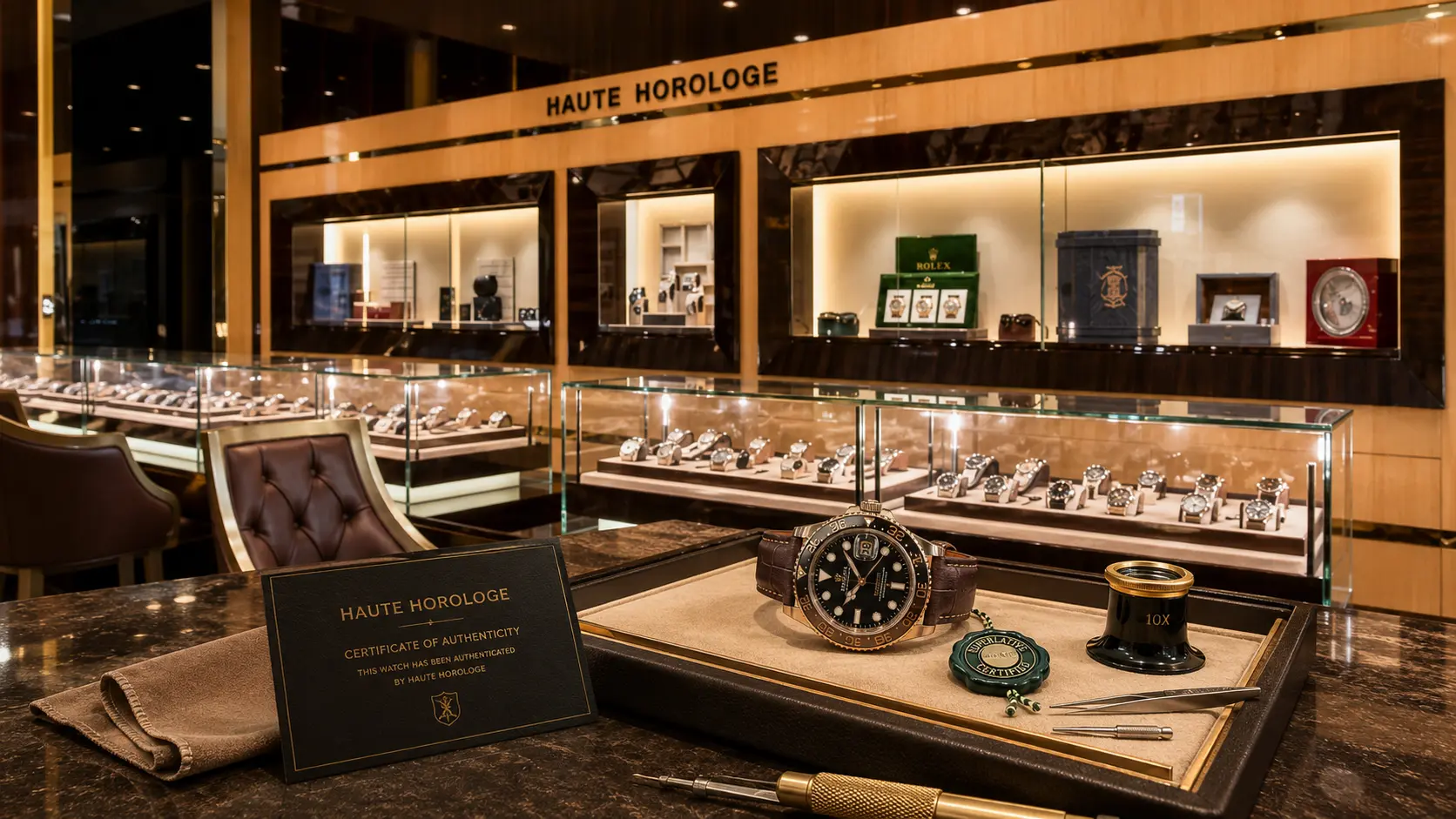
Buying a pre-owned luxury watch requires more than checking its appearance, box, or warranty card. The watch itself must be carefully examined to confirm that its identity, components, and condition are consistent with the model it claims to be.
At Haute Horologe, every watch considered for buying, trading, or selling undergoes an internal inspection before it is added to the collection. This process allows customers to explore authentic pre-owned watches in Dubai with confidence, knowing that the watches offered by Haute Horologe have been evaluated for authenticity and quality.
Haute Horologe does not provide authentication as a separate service for customer-owned watches. Authentication is performed internally on the watches the company acquires, trades, and sells.
Why Authentication Matters When Buying a Pre-Owned Luxury Watch
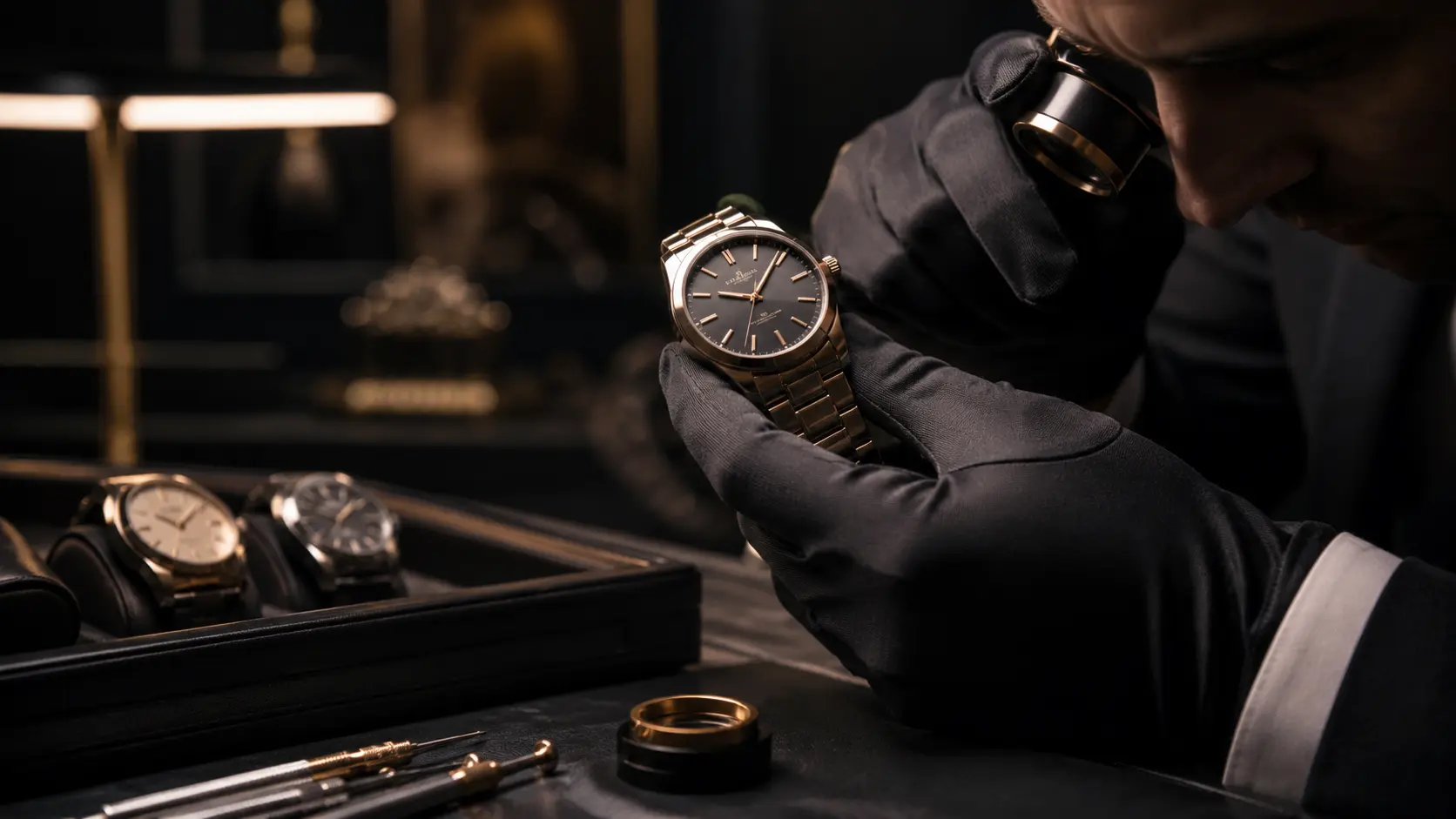
Luxury watches are valuable because of their craftsmanship, materials, movement, heritage, and rarity. These same qualities also make them attractive targets for counterfeiters.
Some counterfeit watches can appear convincing in photographs. Logos, engravings, dials, cases, and packaging may be copied closely enough to mislead buyers who rely only on visual presentation.
There are also watches made using a mixture of components. A watch may contain a genuine case but an incorrect movement. It may have a genuine movement fitted with a replacement dial, bezel, bracelet, or hands that do not match the original reference.
This is why authentication should never depend on one feature alone.
A proper evaluation considers whether the complete watch is consistent. The case, dial, hands, movement, reference number, serial details, condition, and documentation should all support the same identity.
What Does Haute Horologe Check Before Offering a Watch?
The inspection process may vary according to the brand, model, age, and complexity of the watch. A modern Rolex, a vintage Patek Philippe, and a complicated Richard Mille cannot be evaluated in exactly the same way.
However, several important areas are considered before a watch is accepted into the Haute Horologe collection.
1. Brand, Model and Reference Details
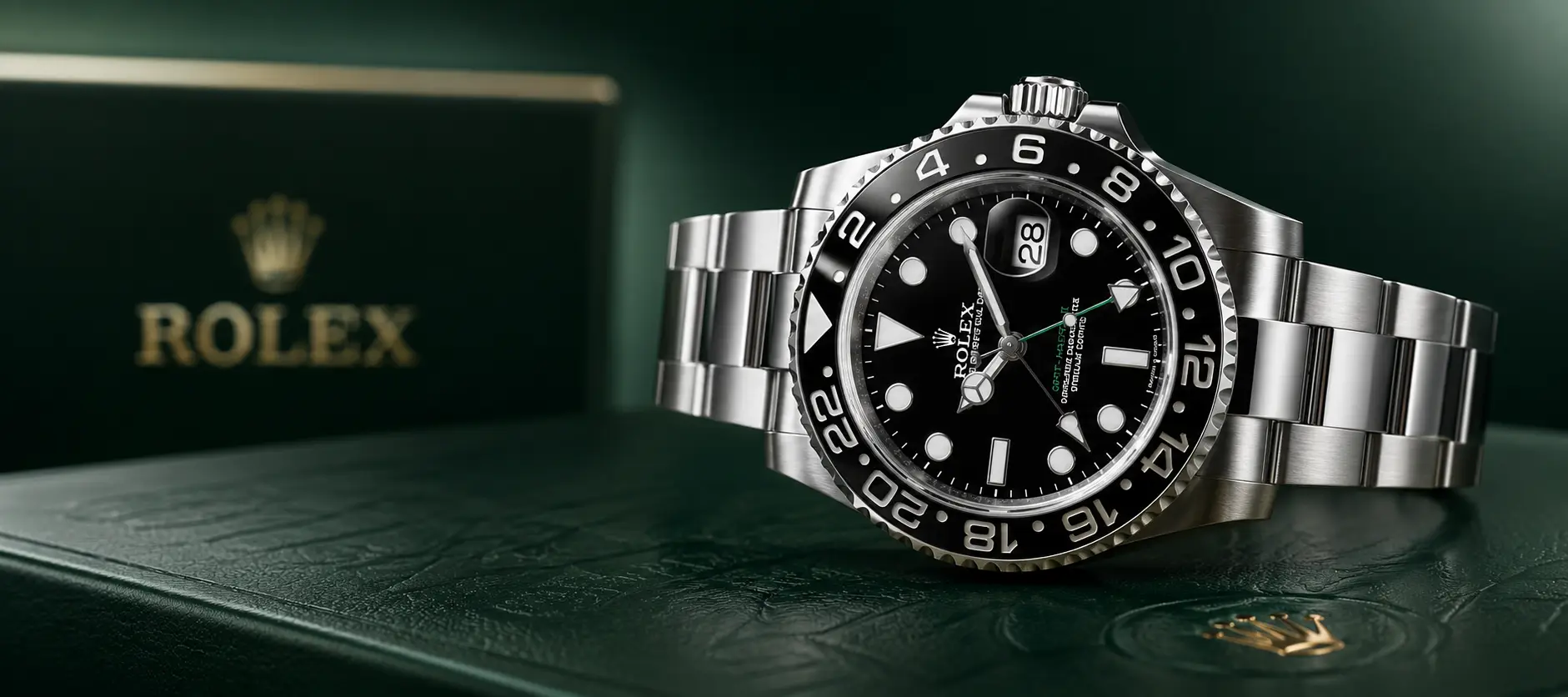
The first step is to establish exactly what the watch is supposed to be.
The team reviews the brand, collection, model, reference number, approximate production period, and expected specifications. These details create a profile that can be compared with the physical watch.
Depending on the manufacturer, a reference number may identify the following:
- Case material
- Case size
- Dial configuration
- Movement type
- Bezel design
- Bracelet or strap
- Production generation
- Intended market variation
A watch should be consistent with the specifications associated with its reference. When the reference, case, movement, or dial configuration does not align, further investigation is required.
2. Case and Exterior Construction
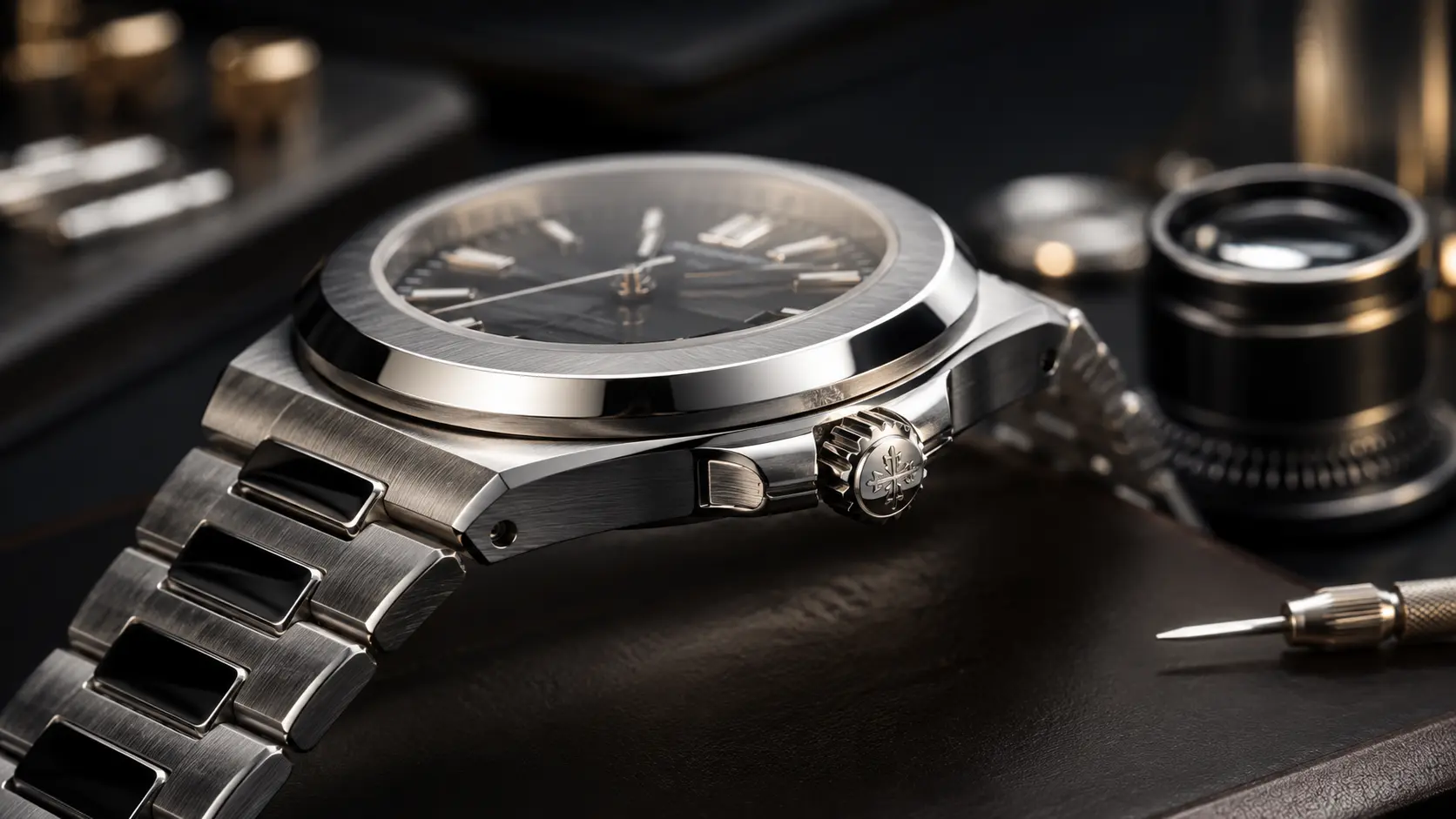
The case contains several details that can help determine whether a watch is consistent with the original model.
During inspection, the team may review:
- Case dimensions and proportions
- Shape of the lugs
- Case-back construction
- Engraving quality
- Hallmarks and material stamps
- Crown design
- Bezel construction
- Crystal type
- Bracelet and clasp
- Surface finishing
- Reference and serial placement
Luxury watch manufacturers follow precise production and finishing standards. Differences in font, spacing, engraving depth, proportions, or surface treatment may indicate that a component requires closer examination.
Wear alone does not make a watch inauthentic. Pre-owned watches naturally develop scratches, marks and signs of use. The aim is to understand whether the case is correct and whether previous polishing or repairs have affected its original form.
3. Dial, Hands and Display Details
The dial is one of the most recognizable parts of a watch. It is also one of the most frequently copied, replaced, or refinished components.
The inspection may consider:
- Brand logo and placement
- Typography
- Hour markers
- Minute track
- Date-window alignment
- Subdial position
- Dial texture
- Luminous material
- Hand shape and length
- Colour consistency
- Printing quality
The design should match the reference and production period.
Vintage watches require particular care because natural aging can change the color of the dial, hands, and luminous material. These changes should be distinguished from artificial aging, repainting, or later replacement parts.
A replacement dial or set of hands does not automatically mean that the entire watch is counterfeit. However, replacement components may affect originality, collectability, and market value. They should therefore be identified and understood as accurately as possible.
4. Movement Examination
The movement is the mechanical or electronic system that powers the watch. A convincing case and dial do not guarantee that the movement inside is correct.
Where appropriate, the movement may be examined to determine whether it is consistent with the stated model and reference.
The evaluation can include:
- Correct calibre
- Movement architecture
- Engravings and markings
- Bridge and rotor design
- Finishing quality
- Movement number
- Signs of previous repair
- Replacement components
- Moisture or corrosion
- Winding and setting functions
- General mechanical condition
Movement inspection must be performed carefully and with the correct equipment. Opening a luxury watch without suitable tools or knowledge may damage the case, seals, or movement.
The purpose is not only to confirm that the movement operates. The movement should also be appropriate for the specific watch.
5. Reference and Serial Information
Reference and serial details can help connect a watch with its expected model, material, and approximate production period.
The team checks whether the identifying information appears in the correct format and location. These details may then be compared with the case, movement, dial, and available documents.
However, a serial number alone is not proof of authenticity.
Numbers can be copied, altered, or engraved onto counterfeit components. Their value comes from how well they match the rest of the watch.
A genuine watch should present a coherent identity. The identifying numbers, physical components, and model specifications should make sense together.
6. Condition and Previous Work
Authentication and condition are closely connected, but they are not the same.
A watch can be genuine and still show considerable wear. It may also have received replacement parts during an authorized or independent service.
The condition inspection may look for:
- Previous polishing
- Changed case proportions
- Damaged engravings
- Replacement dial or hands
- Bracelet stretch
- Incorrect bracelet components
- Signs of opening
- Water exposure
- Corrosion
- Poor-quality repairs
- Movement wear
- Missing components
Understanding previous work helps the team assess the watch more accurately and describe it more transparently.
Some collectors prefer watches with original finishes and components. Other buyers may prioritize condition, reliability, or appearance. Clear information helps each buyer make a decision based on their own priorities.
7. Box, Papers and Supporting Documents
Original accessories can add value and help establish the history of a luxury watch.
These may include:
- Original presentation box
- Warranty card
- Certificate
- Purchase receipt
- Service records
- Instruction booklet
- Original tags
- Additional bracelet links
- Archive documents
These items can support the evaluation, but they do not replace the physical inspection of the watch.
Why Box and Papers Do Not Guarantee Authenticity
A full set is desirable, but it should never be treated as automatic proof that a watch is genuine.
Boxes can be purchased separately. Documents can be altered, copied, or paired with a different watch. A genuine warranty card may also accompany a watch containing incorrect or replacement components.
The information on the papers should match the physical watch. Reference numbers, serial details, model descriptions, and dates should be checked for consistency.
A genuine watch without its original box can still be an excellent purchase. In the same way, a watch with a complete set must still be properly inspected.
The watch itself remains the most important part of the evaluation.
What Does Certified Pre-Owned Mean?
The phrase “certified pre-owned watches Dubai” may refer to different types of assurance.
Some watch manufacturers operate their own certified pre-owned programs through authorized retailers. In these cases, the inspection, certification, and warranty are connected directly to the manufacturer’s program.
Independent pre-owned watch companies may use their own internal inspection processes and provide their own authenticity guarantees.
Haute Horologe is an independent pre-owned luxury watch company. It is not an official retailer for the watch brands it offers unless expressly stated.
The authenticity assurance provided by Haute Horologe is based on its own internal evaluation of the watches it buys, trades, and sells. It should not be confused with certification issued directly by a watch manufacturer.
Buyers should always understand:
- Who inspected the watch
- What was examined
- Who provides the authenticity guarantee
- Whether the guarantee comes from the seller or manufacturer
- What after-sales support is included
Why Buying from a Trusted Pre-Owned Watch Store Matters
Many buyers do not have the equipment, technical references, or experience required to evaluate a high-value watch independently.
This makes the reputation and accountability of the seller an important part of the purchase.
A trusted pre-owned watch store in Dubai should provide the following:
- A physical business location
- Experienced watch professionals
- Clear product descriptions
- Transparent condition information
- Secure payment methods
- An authenticity commitment
- Documented purchase terms
- After-sales assistance
- A clear buying, selling and trading process
Private transactions may offer attractive prices, but they can also leave the buyer with limited support when information is incomplete or a problem appears after the purchase.
Buying from an established store provides a point of accountability before, during, and after the transaction.
Haute Horologe’s Internal Inspection and Authenticity Guarantee
Every watch offered by Haute Horologe is evaluated internally before it is made available to customers.
The decision is not based on a single engraving, document, or accessory. The complete watch is considered, including its
- Case
- Dial
- Hands
- Movement
- Reference information
- Serial details
- Condition
- Documentation
- Known model specifications
Only watches that satisfy Haute Horologe’s internal evaluation are accepted into the collection.
This is how Haute Horologe provides customers with confidence that the watches available through its boutique are genuine and not counterfeit.
The company does not invite customers to submit unrelated watches solely for authentication. Its inspection process is reserved for watches being considered for buying, selling, or trading through Haute Horologe.
What Buyers Should Ask Before Purchasing a Pre-Owned Watch
Before buying a luxury watch, ask the seller:
- Has the physical watch been inspected?
- Does the movement match the reference?
- Are the serial and reference details consistent?
- Are any replacement parts known?
- Has the case been polished?
- What documents and accessories are included?
- Who provides the authenticity guarantee?
- What support is available after the purchase?
A professional seller should be able to answer reasonable questions clearly and provide accurate information about the watch.
Avoid making a purchase based only on photographs, packaging, or an unusually low price.
Explore Genuine Pre-Owned Luxury Watches at Haute Horologe
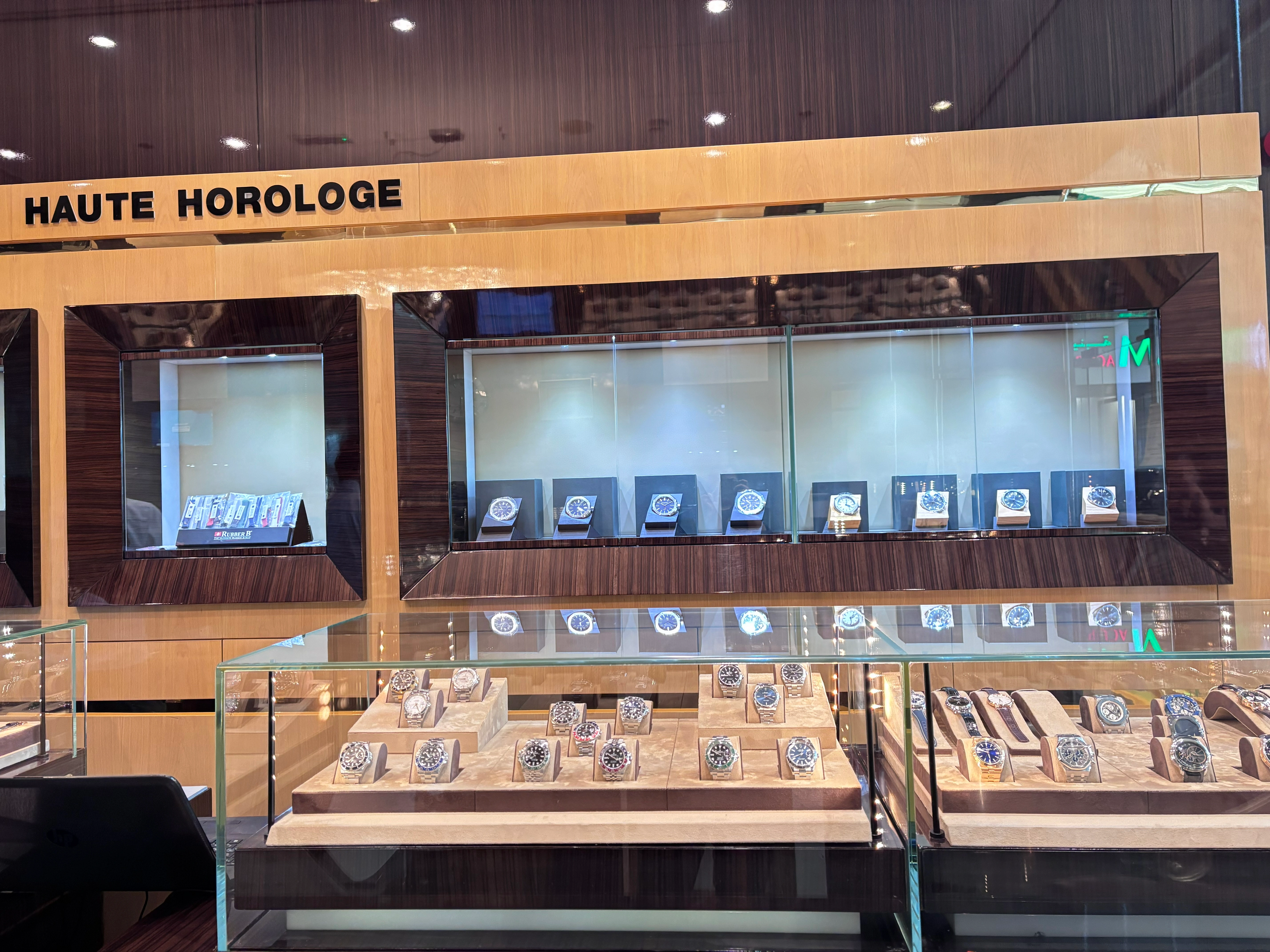
Authenticity is not determined by one number, one document, or one visual feature. It comes from examining how every important part of the watch fits together.
Through its internal evaluation process, Haute Horologe checks the identity, construction, condition, and supporting details of each watch before it enters the collection.
Customers can therefore explore genuine luxury watches in Dubai with the reassurance that the watches offered by Haute Horologe have already been inspected and are guaranteed authentic.
Explore genuine pre-owned luxury watches at Haute Horologe.
We are not an official dealer for the products we sell and have no affiliation with the manufacturer.