
How Do You Know If a Pre Owned Luxury Watch Is Authentic?
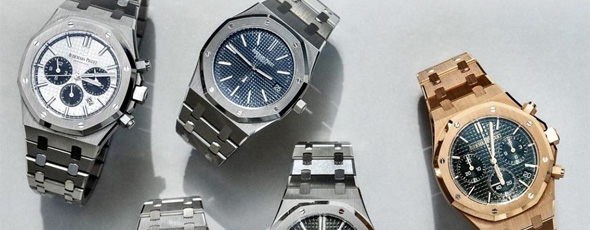
Authenticating a pre-owned luxury watch is not about spotting one obvious flaw. Modern counterfeits are valuable. Some are excellent. If you rely on a quick visual check, you are already behind.
Real authentication works in layers. You proceed from the exterior to the interior. Each step either builds confidence or raises questions. When several details line up, the watch makes sense. When they don’t, you stop.
Let’s explain it properly.
Start With the Numbers on the Watch
Every genuine luxury watch carries two identifiers that matter: a serial number and a reference number.
The serial number should be engraved with purpose. On authentic watches, the engraving is sharp and deliberate. The depth is consistent. The spacing feels intentional. Counterfeits struggle here. Their numbers usually look shallow, soft, or uneven, even when viewed casually.
The reference number matters just as much. It tells you exactly what the watch should be.
That includes:
- Dial design and color
- Bezel type
- Movement inside
- Production period
If the reference points to one configuration and the watch shows another, something is wrong. That mismatch does not happen by accident.
Pay Attention to How the Watch Moves
The movement reveals the true narrative. Start with the second hand. Mechanical luxury watches do not jump once per second. The motion is smooth because of how the balance wheel operates. A ticking second hand on a watch that claims to be mechanical is an immediate problem.
If the case back is open, look closely at the finishing. Genuine movements show care. Engravings are clean. Screws sit properly. Nothing looks rushed or sloppy. Complications need to work as intended:
- Chronographs should start, stop, and reset cleanly.
- Sub-dials should perform real functions, not just move for show.
- Date changes should feel precise, not loose.
Listen as well. Authentic movements run quietly. A loud or metallic tick usually points to cheap internal components.
Materials Tell You More Than Branding
Luxury watches feel the way they do for a reason. High-grade steel, gold, and titanium have weight. A watch that feels strangely light usually fails inspection. That sense of heft is not marketing. It comes from the material itself.
The crystal matters too. Sapphire reflects light cleanly and resists scratches. Date magnifiers should enlarge clearly without distortion. Weak magnification or visual warping is common in replicas.
Now look at the dial. Under even basic magnification:
- Text should line up perfectly.
- Printing should look intentional, not fuzzy.
- Luminous material should appear evenly applied.
Uneven lume or sloppy lettering is not character. It is a warning sign.
Documents support the narrative but do not serve as a substitute for it
Boxes and papers help, but they are not proof on their own. Original warranty cards, certificates, and manuals add context. Service records matter more. They demonstrate that the watch has undergone proper handling and maintenance by brand-aware individuals.
Some manufacturers now issue digital ownership records. These help trace history, but they still sit alongside physical inspection. Documentation supports authenticity. It never replaces it.
The Seller Matters as Much as the Watch
Here’s a point many buyers ignore. You are not just buying a watch. You are buying the judgment of the seller. A serious dealer will explain how the watch was checked. They will answer technical questions without hesitation. They will not rush the sale or dodge specifics. When a seller avoids details, there is usually a reason.
When You Need Certainty, Open the Case
The final step is internal verification. A certified watchmaker can confirm:
- The correct movement is present.
- Components belong together
- Nothing has been swapped or altered.
This is how frankenwatches are exposed. From the outside, they can look perfect. Inside, the truth shows quickly. No external check replaces this step.
Why This Process Matters
Pre-owned luxury watch hold values because buyers take verification seriously. Confidence comes from alignment. The numbers match. The movement behaves correctly. The materials feel right. The seller stands behind the watch. That is how experienced buyers approach authentication. Calmly. Methodically. Without shortcuts. If everything checks out, you don’t need reassurance. The watch is self-explanatory.
Authenticity is not about luck. It comes from process, experience, and knowing what to check before money changes hands. If you prefer to skip the uncertainty, our pre-owned luxury watches are inspected, verified, and prepared by specialists before they are offered for sale. You can explore our current collection or speak with the Haute Horologe team to find a piece that makes sense for how you wear and collect watches.